October 28, 2026
Agency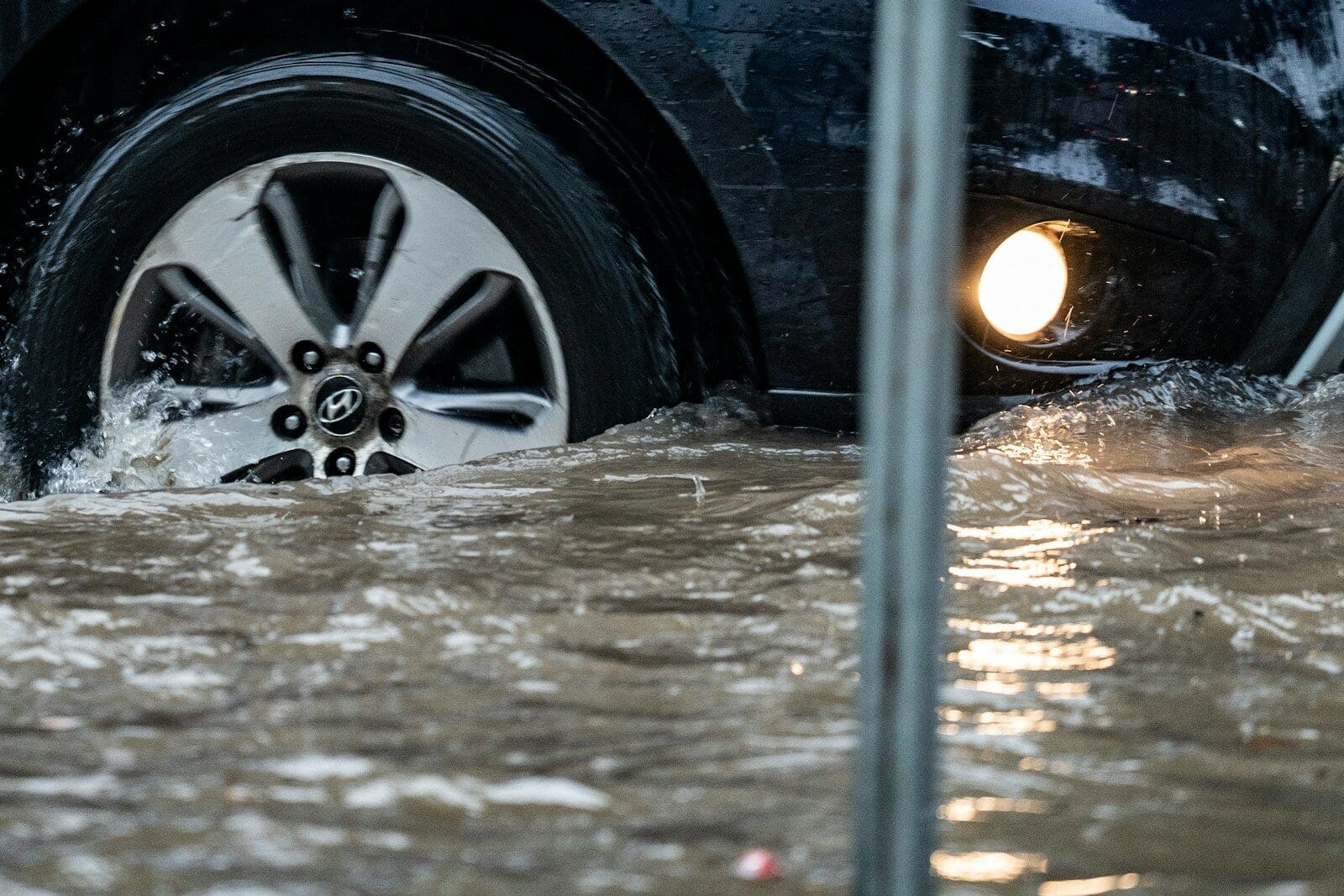
Flood-proofing Tips for Gulf Coast Businesses and Homes in Pensacola
Homes and businesses in Pensacola, FL may face flood-related losses from heavy rain, tropical systems and storm surge. These risks can extend beyond designated flood zones. Fortifying properties and securing appropriate flood insurance are key to limiting damage and resulting financial losses.
Understand Your Flood Risk
Your property’s flood zone designation can affect both coverage options and premium costs. Check the Federal Emergency Management Agency’s Flood Map Service Center to review your flood zone. Even properties in lower-risk areas may experience flooding, and flood zone classifications can change as mapping updates and local development affect drainage patterns.
Strengthen Your Property’s Defenses
Consider taking the following preventive steps to help limit flood damage before a storm arrives:
- Installing backflow valves on sewer and drain lines
- Elevating electrical panels, HVAC equipment and water heaters
- Sealing foundation gaps and basement walls against water intrusion
- Grading landscaping to direct runoff away from the structure
- Keeping gutters and storm drains clear, especially before hurricane season
Prepare an Emergency Plan
Document valuable property with photos or video before a storm to help streamline future claims. Store policy records electronically or in a waterproof container. For businesses, naming key decision-makers and confirming emergency plans with suppliers can help maintain operations.
Review Your Flood Insurance Coverage
Standard homeowners and commercial property policies generally do not cover flood damage. Separate flood insurance may be available through the National Flood Insurance Program or private carriers. Coverage limits, waiting periods and covered losses can vary, making it important to review policy details with your agent.
Secure a Policy Today
Contact Advance Insurance of Northwest Florida, Inc. to get a free custom quote and find a flood policy matched to your property type, location and coverage needs.
This blog is intended for informational and educational use only. It is not exhaustive and should not be construed as legal advice. Please contact your insurance professional for further information.